

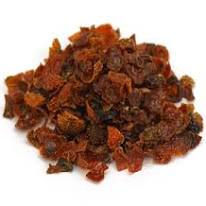

Rosehips (Rosa canina, Rosa rubiginosa)
Organic
Energy: Feminine
Planet: Venus
Element: Water
Powers: Love, Healing, Beauty, ProtectionCurio only.
Magical & Spiritual Uses
Rosehips carry the softened, matured energy of the rose—what remains after the bloom has passed. Where the rose speaks to beauty and love in full expression, the hip speaks to what is sustained, nourished, and carried forward.
In spiritual practice, rosehips are used to support heart healing, emotional restoration, and self-love that is rooted in resilience rather than illusion. They are often worked with in rituals focused on healing after grief, disappointment, or emotional depletion—helping to rebuild the spirit gently and steadily.
Rosehips may be added to baths, teas, or sachets to invite in loving energy, restore emotional balance, and encourage a sense of inner beauty and worth. They are also used in protection work rooted in love—guarding the heart while keeping it open enough to receive.
Their Venusian nature makes them especially supportive in matters of relationships, self-care, and softening hardened emotional spaces.
These uses are shared as cultural and historical context only.
Indigenous & Diasporic Context
Wild roses and their fruit have been used across many cultures for both nourishment and care. In various Indigenous traditions, rosehips were valued as a vital source of nutrition and seasonal medicine, particularly during colder months when fresh plant foods were scarce.
Across Europe, rosehips became widely used in traditional preparations, especially during times of hardship. During World War II, they were gathered and made into syrups as a substitute source of vitamin C when citrus fruits were unavailable.
Their long-standing use reflects a deep relationship between people and plant—one rooted in survival, nourishment, and seasonal wisdom.
Botanical & Herbal Context
Rosehips are the fruit of wild rose species, most commonly Rosa canina and Rosa rubiginosa. These bright red to orange fruits develop after the rose petals fall, ripening from early summer into late autumn.
Primary Compounds
• Vitamin C (ascorbic acid)
• Flavonoids
• Carotenoids
• Tannins
• Pectin
Herbal Actions
• Nutritive
• Antioxidant
• Mild astringent
• Immune supportive (traditional context)
Energetics
• Cooling
• Slightly drying
• Restorative and nourishing
Traditional Herbal Uses
Rosehips have been widely used in traditional herbal practices:
• Steeped as a tart, refreshing tea
• Made into syrups, jams, and jellies
• Infused into oils for skin support
• Used as a nutritive tonic rich in vitamin C*
• Added to herbal blends for flavor and nourishmentFresh rosehips can be consumed as food, while dried rosehips are commonly used in teas and herbal preparations.
Organic rosehips. Sold unprepared. Curio only.
As with all herbs, there may be natural variations in color, texture, aroma, and appearance due to growing and processing conditions.
Precautions
No known precautions. We recommend that you consult with a qualified healthcare practitioner before using herbal products, particularly if you are pregnant, nursing, or taking medications.
Disclaimer
This information is for educational purposes only and has not been evaluated by the Food and Drug Administration. This product is not intended to diagnose, treat, cure, or prevent any disease.
+-+1+ounce)